Understanding Lice: What Parents Need to Know
Lice are tiny parasites that can cause significant discomfort and distress for both children and parents. Understanding how lice operate, their life cycle, and how they spread is crucial for effective prevention and treatment. Educating yourself and your children about lice can empower your family to take proactive measures against infestations.
Head lice are primarily spread through direct head-to-head contact, making schools and playgroups common locations for transmission. They can also be transferred through shared personal items such as hats, hair accessories, and bedding. Regular education and discussions about lice can help children recognize the importance of avoiding close contact and sharing personal items.
Signs of Lice Infestation
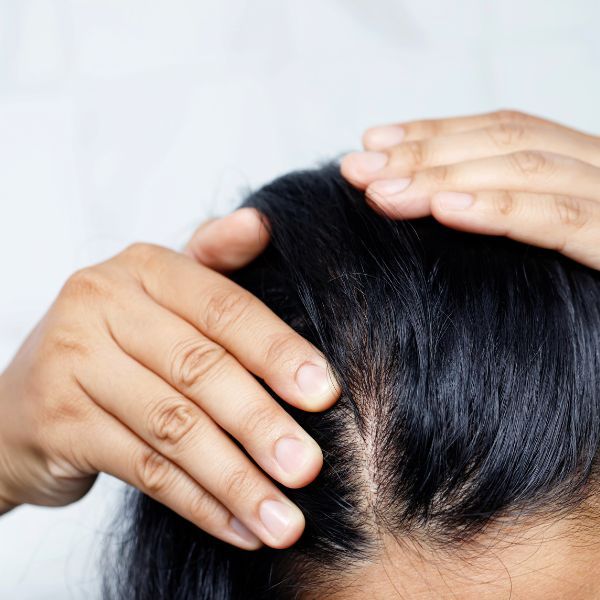
Recognizing the signs of a lice infestation early can significantly reduce the spread and severity of the problem. Common symptoms include itching on the scalp, which is often caused by an allergic reaction to lice bites, as well as the presence of lice or nits in the hair. Parents should be vigilant and perform regular checks to catch any infestations early.
In addition to itching, other signs may include red or irritated spots on the scalp and the presence of small, white eggs (nits) attached to hair strands. If you notice these symptoms, it’s essential to act quickly and seek professional treatment to prevent the lice from spreading to other family members.
Effective Strategies for Lice Prevention
Implementing effective strategies for lice prevention is key to keeping your family lice-free. Simple practices such as avoiding head-to-head contact during playtime and discouraging the sharing of personal items can significantly lower the risk of infestation. Additionally, educating children about lice can help them understand the importance of prevention.
Regularly cleaning and disinfecting shared spaces, such as playrooms and living areas, also plays a vital role in prevention. Washing bed linens and clothing in hot water and vacuuming carpets and furniture can help eliminate any stray lice or nits. Proactive measures can go a long way in maintaining a lice-free environment.
When to Seek Professional Help
Knowing when to seek professional help is crucial in managing a lice infestation effectively. If home treatments have failed or if the infestation seems severe, contacting a professional lice removal service can provide a more thorough solution. Professionals have access to more potent treatments and can ensure that the lice and nits are completely eradicated.
Additionally, professional services often offer follow-up checks to ensure that the lice have been completely removed and provide advice on how to prevent future infestations. Seeking help can save time and reduce stress for families dealing with lice, allowing them to return to their daily routines without worry.
Understanding Lice: What Parents Need to Know
Lice are tiny parasites that can cause significant discomfort and distress for both children and parents. Understanding how lice operate, their life cycle, and how they spread is crucial for effective prevention and treatment. Educating yourself and your children about lice can empower your family to take proactive measures against infestations.
Head lice are primarily spread through direct head-to-head contact, making schools and playgroups common locations for transmission. They can also be transferred through shared personal items such as hats, hair accessories, and bedding. Regular education and discussions about lice can help children recognize the importance of avoiding close contact and sharing personal items.
Signs of Lice Infestation
Recognizing the signs of a lice infestation early can significantly reduce the spread and severity of the problem. Common symptoms include itching on the scalp, which is often caused by an allergic reaction to lice bites, as well as the presence of lice or nits in the hair. Parents should be vigilant and perform regular checks to catch any infestations early.
In addition to itching, other signs may include red or irritated spots on the scalp and the presence of small, white eggs (nits) attached to hair strands. If you notice these symptoms, it’s essential to act quickly and seek professional treatment to prevent the lice from spreading to other family members.
Effective Strategies for Lice Prevention
Implementing effective strategies for lice prevention is key to keeping your family lice-free. Simple practices such as avoiding head-to-head contact during playtime and discouraging the sharing of personal items can significantly lower the risk of infestation. Additionally, educating children about lice can help them understand the importance of prevention.
Regularly cleaning and disinfecting shared spaces, such as playrooms and living areas, also plays a vital role in prevention. Washing bed linens and clothing in hot water and vacuuming carpets and furniture can help eliminate any stray lice or nits. Proactive measures can go a long way in maintaining a lice-free environment.
When to Seek Professional Help
Knowing when to seek professional help is crucial in managing a lice infestation effectively. If home treatments have failed or if the infestation seems severe, contacting a professional lice removal service can provide a more thorough solution. Professionals have access to more potent treatments and can ensure that the lice and nits are completely eradicated.
Additionally, professional services often offer follow-up checks to ensure that the lice have been completely removed and provide advice on how to prevent future infestations. Seeking help can save time and reduce stress for families dealing with lice, allowing them to return to their daily routines without worry.